
Weight, Metabolism & Body Composition

Struggling With Weight Gain, a Slower Metabolism or Changes in Your Body Composition?
You are eating well. You are trying to stay active. Maybe you are even doing the same things that worked for you five or ten years ago.
But your body seems to be responding differently.
For many women, especially in their 30s, 40s, 50s and beyond, changes in weight, muscle mass, abdominal fat and metabolism can become frustrating. You may notice your waistline changing even when the number on the scale has barely moved. Or perhaps losing weight suddenly feels much harder than it used to.
Dr. Nicole Roberts ND provides evidence informed naturopathic care for women across Ontario who want to better understand their weight, metabolism and body composition and create a realistic plan for improving their long term health.
The goal is not simply to make the number on the scale smaller.
It is to understand what your body is made of, how your metabolism is functioning and what may be getting in the way of progress.
Why Am I Gaining Weight Even Though I Haven’t Changed My Diet?
This is one of the most common questions women ask.
Weight and body composition are influenced by much more than calories alone. Age, muscle mass, activity, sleep, stress, medications, appetite, insulin sensitivity and hormonal changes can all affect how your body uses and stores energy.
During midlife, women may also experience a gradual decline in lean muscle while fat distribution begins shifting toward the abdomen. Menopause can contribute to these changes in body composition, particularly the increase in abdominal or visceral fat.
Instead of immediately assuming you need to “eat less and exercise more,” Dr. Nicole looks at the bigger picture.
Why Is It Harder to Lose Weight After 40?
If weight loss feels different in your 40s than it did in your 20s, there may be several reasons.
Muscle mass gradually declines with age unless we actively work to maintain it. Lifestyle and activity levels may change. Sleep can become disrupted. Stress may increase. Insulin sensitivity and metabolic health can change. Perimenopause can add another layer through changing estrogen levels and shifts in where fat is stored.
This is why the strategy that worked at 25 may not be the strategy your body needs at 45.
The solution is not necessarily to eat less and less.
It may be time to work smarter, not harder.
Does Perimenopause Cause Weight Gain?
Perimenopause does not automatically mean you will gain weight, but the menopause transition can affect body composition and fat distribution.
As estrogen changes and eventually declines, women are more likely to accumulate fat around the abdomen while also experiencing changes in lean muscle mass. Aging, activity, sleep, nutrition and other factors contribute as well.
This means you may notice:
Clothes fitting differently.
More fat around your stomach or waist.
Less muscle definition.
Difficulty maintaining muscle.
Weight becoming easier to gain and harder to lose.
Changes in blood sugar or cholesterol.
A body that simply does not seem to respond the way it once did.
These changes deserve more than a generic recommendation to lose weight.
Why Am I Gaining Belly Fat During Perimenopause?
This is an extremely common concern.
Hormonal changes during the menopause transition can influence where the body preferentially stores fat, with more fat accumulating around the abdomen.
Abdominal fat, particularly visceral fat stored deeper around the organs, is also important from a health perspective. Higher levels are associated with insulin resistance, abnormal cholesterol, high blood pressure and increased cardiometabolic risk.
This is one reason Dr. Nicole looks beyond body weight alone.
Where your body stores fat and how much lean muscle you carry can matter just as much as the number you see on the scale.
What Is Body Composition?
Body composition looks at what your weight is actually made of rather than simply how much you weigh.
Two people can weigh exactly the same amount and have very different amounts of muscle and body fat.
Your body composition can change without a dramatic change on the scale. You could lose fat while building muscle and see very little movement in your total weight.
That is why using the scale as the only measure of progress can be misleading.
For many women, a better goal is improving body composition by reducing excess body fat while maintaining or building lean muscle.
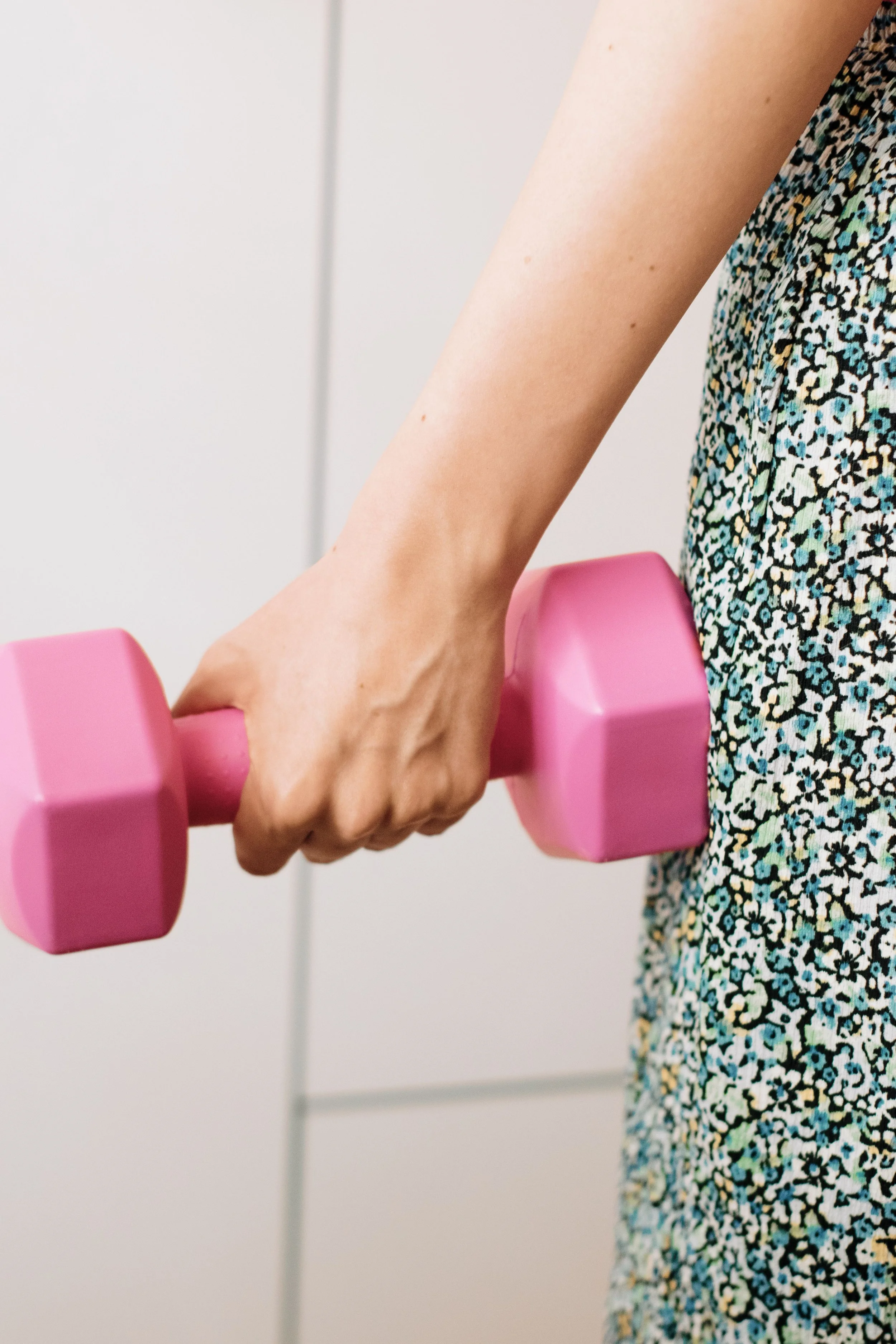
Weight Loss vs. Fat Loss: What Is the Difference?
Losing weight and losing body fat are not necessarily the same thing.
When weight decreases, the tissue being lost can include fat, muscle and water. If your only goal is to make the scale move downward as quickly as possible, you may also lose valuable lean muscle.
Dr. Nicole's approach places an emphasis on protecting muscle while working toward improvements in body composition and metabolic health.
The goal is not simply to become smaller.
The goal is to become stronger, metabolically healthier and better equipped for the decades ahead.
Why Muscle Matters for Your Metabolism
Muscle is about much more than looking toned.
Maintaining muscle supports strength, mobility, bone health, glucose metabolism, physical function and independence as you age.
Because muscle naturally tends to decline with age, resistance training and adequate nutrition become increasingly important through your 30s, 40s, 50s and beyond.
For women approaching menopause, protecting muscle should be part of the conversation about weight and metabolic health.
Your muscle is an investment in your future health.
Could Insulin Resistance Be Making Weight Loss Harder?
Insulin resistance is another common search for women who are struggling with weight, abdominal fat or blood sugar.
Insulin helps move glucose from your bloodstream into your cells. When cells become less responsive to insulin, your body may need to produce more of it to maintain normal blood sugar levels.
Insulin resistance can occur before diabetes develops and may be associated with increased abdominal fat, elevated triglycerides, blood sugar changes and other metabolic risk factors.
If clinically appropriate, Dr. Nicole can assess your broader metabolic picture and determine whether further investigation is warranted.
What Causes a Slow Metabolism?
People often describe themselves as having a “slow metabolism,” but metabolism is influenced by many different factors.
Age, body size, lean muscle mass, activity, sleep, nutrition, medical conditions and medications can all influence energy expenditure and weight regulation.
Instead of assuming your metabolism is simply “broken,” the more useful question is:
What factors are affecting my metabolic health, and which of those can we actually change?
That is where individualized assessment becomes important.
What Blood Tests Can Help Investigate Weight and Metabolism?
There is no single blood test that explains why someone is gaining weight or struggling to lose it.
Testing should be based on your health history, symptoms, medications, family history and individual risk factors.
Depending on the person, Dr. Nicole may consider investigations related to areas such as blood sugar regulation, cholesterol and triglycerides, thyroid function, liver health, iron status, vitamin B12 or other markers when clinically appropriate.
Testing should answer a clinical question.
The goal is not to order every possible marker. It is to gather information that may actually change your treatment plan.
Why Am I Not Losing Weight in a Calorie Deficit?
If you believe you are eating less but are not seeing the results you expected, the answer is not always to restrict your food further.
Energy intake matters, but real life is more complicated than a calculator.
Sleep, hunger, activity, stress, medications, metabolic adaptation, muscle mass, food intake and underlying health conditions can all affect progress.
Rather than immediately cutting calories further, it may be more useful to assess the entire picture and determine what is realistic and sustainable for your body.
Does Sleep Affect Weight and Metabolism?
Absolutely.
Poor sleep can affect appetite, food choices, energy levels, exercise recovery and metabolic health. And for women in perimenopause, sleep can become increasingly complicated because of night sweats, anxiety, frequent waking and other hormonal symptoms.
If you are trying to improve your health while consistently sleeping five hours a night, sleep deserves a place in the conversation.
Sometimes improving metabolic health means looking beyond food.
Can Stress Make It Harder to Lose Weight?
Stress does not magically create body fat, but chronic stress can affect behaviours and systems involved in weight regulation.
It can disrupt sleep, change appetite, reduce motivation to exercise, increase cravings and make consistency much harder.
This is why a realistic metabolic health plan needs to work with your actual life.
A perfect plan that you cannot sustain is not a good plan.
What About GLP 1 Medications and Muscle Loss?
Medications used for weight management can be valuable tools for appropriate patients, but the quality of weight loss still matters.
When significant weight is lost, some lean tissue can be lost along with body fat. This makes nutrition, adequate protein, resistance training and monitoring body composition especially important.
The conversation should not stop at:
“How much weight did you lose?”
It should also include:
“What did you lose, what did you maintain and how are we protecting your long term health?”
Do I Need to Lose Weight to Improve My Health?
Not every health improvement requires dramatic weight loss.
Changes in physical activity, strength, nutrition, waist circumference, blood pressure, blood sugar, cholesterol, sleep and fitness can all be meaningful measures of progress.
Your scale is one piece of information.
It is not your entire health assessment.
This is why Dr. Nicole focuses on metabolic health and body composition rather than treating body weight as the only outcome that matters.
What Does a Naturopathic Doctor Do for Weight and Metabolic Health?
Working with a naturopathic doctor for weight and metabolic concerns should involve much more than being handed a restrictive meal plan or a bag of supplements.
Dr. Nicole Roberts ND takes an individualized approach that considers your medical history, symptoms, menstrual and menopause history, sleep, stress, nutrition, movement, medications, laboratory results, body composition goals and long term health risks.
Together, these pieces can help identify where attention may be most useful.
Depending on your needs, your plan may include nutrition strategies, resistance training recommendations, lifestyle changes, appropriate testing, supplement recommendations when indicated and collaboration with other healthcare providers.
Weight and Metabolism Support for Women Across Ontario
You do not need another person telling you to “just lose weight.”
You need to understand what is changing, why it may be changing and what you can realistically do about it.
Dr. Nicole Roberts ND works virtually with women across Ontario who are experiencing concerns such as unexplained weight gain, perimenopause weight changes, increased abdominal fat, difficulty losing weight, insulin resistance, metabolic health concerns, loss of muscle mass and changes in body composition.
The focus is evidence informed, individualized care that supports your health now while considering where you want your health to be ten, twenty and thirty years from now.
Weight is one number. Your metabolic health, muscle mass, strength and long term health trajectory tell a much bigger story.
Frequently Asked Questions About Weight, Metabolism & Body Composition
-
Changes in muscle mass, activity, sleep, stress, metabolism and the hormonal changes of perimenopause can all contribute. Instead of assuming you simply need to eat less, it can be helpful to assess what has changed in your health and lifestyle.
-
Aging is associated with changes in energy needs and muscle mass, while menopause can contribute to changes in fat distribution and body composition. Both should be considered when assessing weight changes during midlife.
-
Women commonly notice more abdominal fat during perimenopause and menopause. Hormonal changes can contribute to a shift toward central fat storage, although age, activity, nutrition, sleep and genetics also play a role.
-
Body composition can be improved during perimenopause. Rather than trying to target one area specifically, the focus is generally on reducing excess body fat while maintaining or increasing muscle through sustainable nutrition, resistance training, physical activity, sleep and management of relevant health concerns.
-
Insulin resistance does not always cause obvious symptoms. Your health history, waist circumference, blood pressure and laboratory markers related to glucose and metabolic health can help determine whether further assessment is appropriate.
-
The scale cannot tell you whether the weight you have lost came from fat, muscle or water. This is why body composition and measurements such as waist circumference, strength and other health markers can provide useful information alongside weight.
-
Resistance training is particularly valuable in midlife because it helps maintain or build muscle, supports physical function and can contribute to healthier body composition. It should be considered part of a broader health strategy rather than simply a way to burn calories.
-
Not necessarily. Hormone testing is not automatically required because someone has gained weight. Testing should be selected based on symptoms, health history and the clinical question being investigated.
-
The menopause transition can bring changes in fat distribution, lean mass, sleep and other factors that influence weight management. Aging also contributes, so there is rarely one single cause.
-
Supporting muscle mass, staying physically active, eating adequate protein and nutrient dense foods, getting sufficient sleep and addressing relevant medical or metabolic concerns can all play a role. The right approach depends on the individual.