
Perimenopause Naturopath in Ontario | Dr. Nicole Roberts, ND

Perimenopause can change far more than your period.
Maybe your sleep suddenly isn't reliable. Your periods are heavier, shorter, longer or completely unpredictable. You're anxious when you never used to be. Your brain feels scattered. Your body composition is changing despite doing the same things you've always done.
Or maybe you just keep saying:
"I don't feel like myself anymore."
Dr. Nicole Roberts, ND provides evidence-informed naturopathic care for women navigating perimenopause throughout Ontario through virtual appointments.
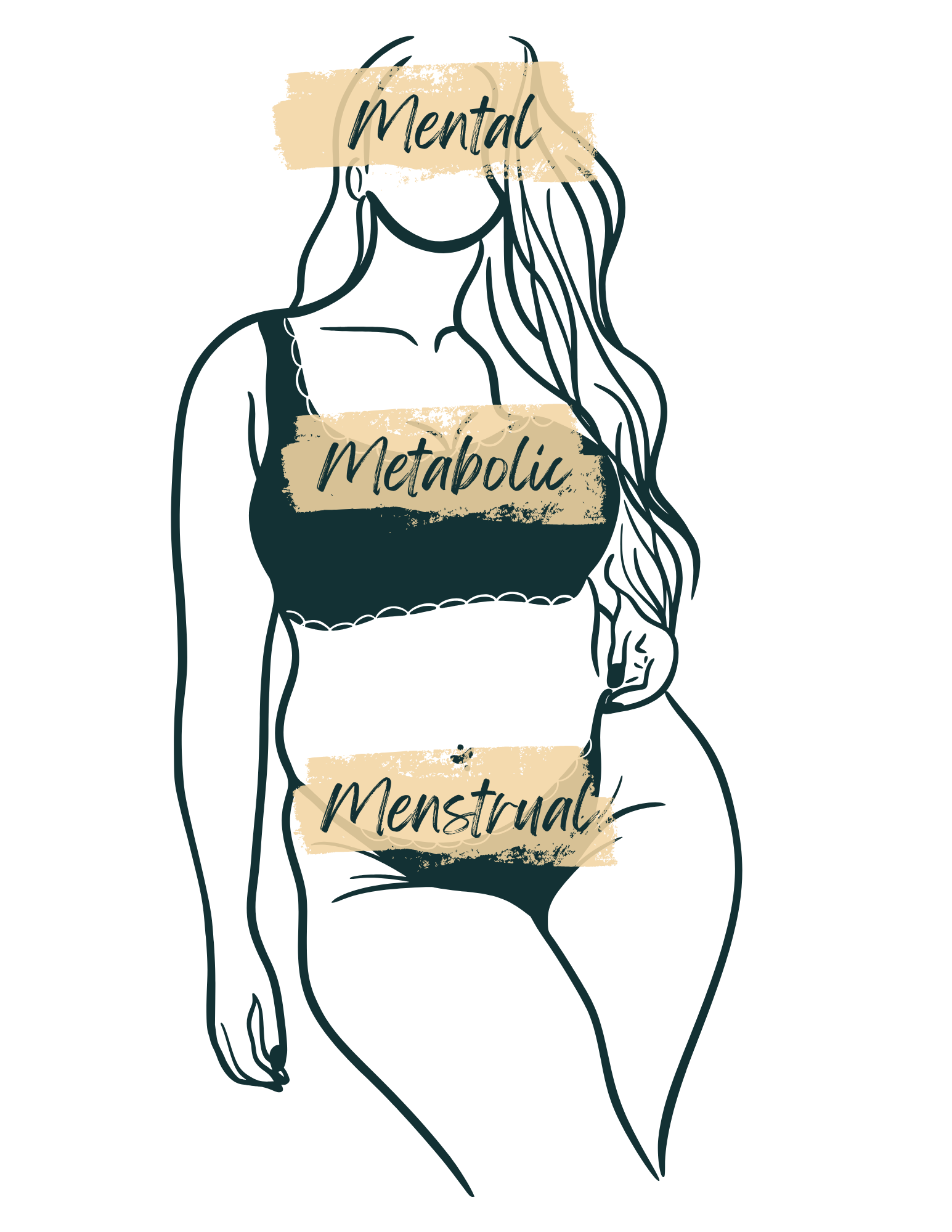
Her approach goes beyond simply asking whether you are having hot flashes. Perimenopause can affect menstrual health, sleep, mood, cognition, body composition, metabolic health, sexual health and your long-term health trajectory.
The goal is to understand what is changing, what else may be contributing, what deserves further investigation and what we can actually do about it.
Are You in Perimenopause?
Perimenopause is the transition leading up to menopause. For many women, changes begin well before periods stop completely. And no, you do not need to be having dramatic hot flashes to be in perimenopause.
Dr. Nicole Roberts works with women throughout Ontario who come to her saying things like:
"My periods are changing, but they're still regular."
"I wake up every night at 3 a.m."
"My PMS has become unbearable."
"I suddenly feel anxious."
"I can't remember anything."
"I'm gaining abdominal fat even though nothing has changed."
"My doctor checked my hormones and said they're normal."
"I just don't feel like myself."
What Are the Symptoms of Perimenopause?
Period Changes
Periods may become shorter, longer, heavier, lighter or less predictable as you move through the menopause transition.
Heavy Menstrual Bleeding
Some women experience significantly heavier periods during perimenopause. Heavy bleeding should not automatically be dismissed as "just hormones." It may require further investigation and can also contribute to iron deficiency.
Hot Flashes and Night Sweats
Hot flashes and night sweats are some of the most recognized symptoms of the menopause transition, but they are far from the only symptoms women experience.
Sleep Problems
You may fall asleep easily but suddenly find yourself wide awake at 2 or 3 a.m. Other women struggle to fall asleep or wake repeatedly throughout the night.
Anxiety and Mood Changes
New or worsening anxiety, irritability, mood changes, depression or changes in your ability to handle stress may occur during this transition.
Brain Fog and Memory Changes
Walking into a room and forgetting why you're there?
Losing words mid-sentence?
Finding concentration more difficult than it used to be?
Cognitive changes deserve a place in the perimenopause conversation.
Body Composition and Weight Changes
The conversation should not simply be "perimenopause causes weight gain."
Dr. Nicole Roberts looks more closely at body composition, lean muscle, adiposity, metabolic health, nutrition, activity, sleep and other factors that may be changing during this stage of life.
Vaginal and Urinary Changes
Vaginal dryness, discomfort during sex, urinary symptoms and recurrent urinary tract infections can become increasingly important concerns as estrogen levels change.
Libido Changes
Sexual desire and function can change during perimenopause and deserve to be discussed as part of comprehensive healthcare.
How Do I Know if My Symptoms Are Perimenopause or Something Else?
Perimenopause may explain some of what you're experiencing. It doesn't automatically explain everything.
Fatigue could be related to disrupted sleep associated with perimenopause. But iron deficiency, thyroid dysfunction, inadequate nutrition, sleep apnea and other health concerns may also need to be considered.
Brain fog may occur during perimenopause. It can also be worsened by sleep deprivation, iron or B12 deficiency, mood disorders, ADHD, stress and other factors.
Heavy periods may occur during perimenopause, but abnormal bleeding still deserves appropriate assessment.
Your body is allowed to have more than one thing going on.
Dr. Nicole Roberts' approach to perimenopause care is therefore not about blaming every symptom on your hormones. It is about understanding the whole picture. This is why so many Ontario residents work with Dr. Nicole Roberts.
Do You Need Hormone Testing to Diagnose Perimenopause?
One of the most common questions women ask is, “Can I test my hormones to see if I’m in perimenopause?”
Not always. During perimenopause, estrogen and progesterone can fluctuate significantly from one cycle to the next. This means a single hormone test may capture what your hormones are doing that day, but it cannot always give a simple yes or no answer about whether you are in perimenopause..
Dr. Nicole Roberts, ND assesses the bigger picture, including your age, symptoms, menstrual cycle changes, health history and other potential contributors.
What Bloodwork Might Be Useful During Perimenopause?
Bloodwork can still be very valuable, but testing should answer a clinical question.
Depending on your symptoms and health history, Dr. Nicole Roberts may consider investigating areas such as:
Iron status, particularly with heavy or changing periods
Thyroid health, as symptoms can overlap with perimenopause
Blood sugar and metabolic markers
Cholesterol and cardiovascular risk
Vitamin B12 or other nutrients when clinically appropriate
Reproductive hormones when the results would provide useful clinical information
Dr. Nicole Roberts works with women throughout Ontario to determine which investigations actually make sense for their symptoms and health goals, rather than automatically ordering a large hormone panel for every woman entering her 40s.
What If My Hormones Are “Normal,” but I Still Feel Different?
Normal hormone results do not automatically rule out perimenopause.
If your sleep, periods, mood, cognition or body composition have changed, those symptoms still deserve attention. Perimenopause may be part of the picture, but iron deficiency, thyroid concerns, sleep problems, metabolic changes and other factors may also contribute.
Your body is allowed to have more than one thing going on.
The goal isn't to order the most tests. It's to use the right tests, at the right time, for the right reason and build a treatment plan around the whole picture.
Can a Naturopathic Doctor Help With Perimenopause?
Yes. Perimenopause is one of the major areas Dr. Nicole Roberts, ND focuses on in clinical practice.
Dr. Nicole Roberts works virtually with women throughout Ontario who are experiencing symptoms associated with the menopause transition or who simply want to understand what to expect and take a more proactive approach to their health.
Care may include assessing current symptoms, menstrual history, medical and family history, medications, supplements, previous investigations, lifestyle factors and future health risks.
From there, Dr. Nicole can help determine what deserves investigation and discuss evidence-informed treatment options based on the individual woman.
And because Dr. Nicole is an Ontario naturopathic doctor with prescribing authority, this conversation can also include prescription treatment options within her scope when clinically appropriate.
The College of Naturopaths of Ontario confirms that treatment of hormone deficiencies and use of estrogen fall within Ontario ND scope for appropriately authorized naturopathic doctors.
Perimenopause Treatment Options
There is no single treatment plan that works for every woman in perimenopause. Symptoms, health history, menstrual patterns, risk factors and personal preferences all matter. Dr. Nicole Roberts, ND works with women throughout Ontario to create individualized, evidence-informed treatment plans that may include nutrition, strength training, sleep support, supplements when appropriate, prescription options and menopausal hormone therapy when indicated.
The goal is not simply to “balance your hormones.” It is to understand what is changing, address the symptoms affecting your quality of life and support your long-term health at the same time.
Nutrition During Perimenopause
Nutrition during perimenopause should be about giving your body what it needs, not automatically eating less because your body is changing. Dr. Nicole Roberts helps women assess areas such as protein, fibre, calcium, iron and overall dietary adequacy while considering metabolic, cardiovascular, muscle and bone health.
Strength Training and Muscle
Maintaining and building muscle becomes increasingly important as women age. Dr. Nicole Roberts regularly works with women throughout Ontario on body composition, protein intake, resistance training and realistic strategies for protecting lean muscle. The goal is not simply to become smaller. Strength, mobility and maintaining muscle are important health outcomes too.
Sleep Support
If you suddenly find yourself wide awake at 3 a.m., struggling to fall asleep or waking repeatedly, there may be more than one factor involved. Hormonal changes can affect sleep during perimenopause, but anxiety, night sweats, iron deficiency, sleep apnea and other concerns may also contribute. Dr. Nicole Roberts helps women investigate why their sleep has changed so treatment can address the actual problem.
Supplements During Perimenopause
Supplements can be useful, but perimenopause does not automatically require a cupboard full of them. Dr. Nicole Roberts recommends supplementation when there is a clear clinical reason and considers medications, health history, diet, bloodwork and individual needs. The goal is a practical treatment plan, not supplement overload.
Can You Take Hormone Therapy During Perimenopause?
Yes, menopausal hormone therapy may be an option for some women during perimenopause. You do not necessarily need to wait until your periods have completely stopped to discuss hormone therapy.
Whether hormone therapy is appropriate depends on your symptoms, medical history, risk factors, menstrual patterns and individual preferences. Dr. Nicole Roberts, ND works with women throughout Ontario who want to better understand their hormone therapy options, including potential benefits, risks and alternatives, so they can make an informed decision about their care.
What About Bioidentical Hormones?
The term “bioidentical hormones” can be confusing because it is often used online to describe very different products. Bioidentical generally refers to hormones that are chemically identical to hormones produced by the human body. Some regulated prescription hormone therapies fit this definition and may be derived from plant-sourced starting materials such as wild yam or soy before being manufactured into pharmaceutical hormones.
Dr. Nicole Roberts, ND has prescribing authority in Ontario and can discuss and prescribe certain hormone therapy options within her scope of practice when clinically appropriate. Rather than focusing on whether something is marketed as “natural,” Dr. Nicole helps women understand the evidence, risks, benefits and differences between their available hormone therapy options.
Perimenopause and Weight Gain
“Why am I gaining weight during perimenopause when I haven't changed anything?” is an incredibly common question.
But weight alone doesn't tell us the whole story. Body composition can change as women age, including changes in lean muscle and body fat distribution. Dr. Nicole Roberts takes a broader approach by looking at muscle mass, nutrition, protein intake, strength training, sleep and metabolic health rather than simply telling women to eat less. When fat loss is appropriate, the goal should also include protecting muscle, strength and long-term metabolic health.
Perimenopause and Anxiety
If anxiety suddenly feels different or more intense in your late 30s or 40s, perimenopause may be part of the picture. Some women notice increased anxiety, irritability, mood changes or a reduced ability to handle stress during the menopause transition.
Dr. Nicole Roberts works with women throughout Ontario experiencing mental health changes during perimenopause while also considering other factors that can influence mood, including sleep, iron status, thyroid health, medications, life stress and existing mental health conditions. Hormones matter, but they aren't always the whole story.
Perimenopause and Sleep
Why am I suddenly waking up at 2 or 3 a.m.? Why can't I sleep like I used to?
Sleep problems are common during the menopause transition and can include difficulty falling asleep, frequent waking, early morning waking or sleep disrupted by hot flashes and night sweats. Dr. Nicole Roberts helps women throughout Ontario investigate the factors contributing to poor sleep rather than assuming every sleep problem is “just hormones.” Improving sleep can also support mood, cognition, energy, metabolic health and your ability to take care of yourself during the day.
Perimenopause and Brain Fog
Forgetting words, losing your train of thought, struggling to concentrate or walking into a room and forgetting why you're there can feel unsettling. Cognitive changes and “brain fog” are commonly reported during the menopause transition, but other factors such as poor sleep, iron or B12 deficiency, stress and mental health can also contribute.
Brain health is an important part of Dr. Nicole Roberts' clinical practice. She works with women throughout Ontario to understand what may be contributing to cognitive changes while also thinking beyond today's symptoms to long-term cognitive health and prevention.
What age does perimenopause start?
Perimenopause commonly begins during a woman's 40s, although some women notice changes earlier. Dr. Nicole Roberts works with women throughout Ontario who are trying to determine whether new symptoms or menstrual changes could be related to the menopause transition.
How long does perimenopause last?
Perimenopause is a transition rather than a single event and can last for several years. Menopause itself is reached after 12 consecutive months without a menstrual period. Symptoms and cycle changes can evolve throughout that transition.
Can my hormone tests be normal and I still be in perimenopause?
Yes. Hormones can fluctuate considerably during perimenopause, which means one normal result does not necessarily rule it out. Dr. Nicole Roberts considers symptoms, menstrual changes, age and overall health alongside laboratory testing when appropriate.
When should I see a naturopathic doctor about perimenopause?
You do not have to wait until your symptoms become unbearable or your periods stop. If changes in your cycle, sleep, mood, cognition, sexual health, body composition or overall wellbeing are affecting you, it may be worth discussing them. Dr. Nicole Roberts provides virtual naturopathic care for women throughout Ontario at different stages of the menopause transition.
Why Work With Dr. Nicole Roberts for Perimenopause?
Evidence-Informed. Individualized. No Nonsense.
Perimenopause is a major clinical focus for Dr. Nicole Roberts, ND, who provides virtual naturopathic care to women throughout Ontario. Her approach looks beyond hot flashes to consider menstrual health, mental and cognitive health, metabolic health, sleep, muscle, cardiovascular risk and long-term prevention.
Dr. Nicole Roberts does not believe every symptom should automatically be blamed on hormones, nor does she believe women need unnecessary testing or a long list of supplements. The goal is to understand what is changing, investigate what needs investigating and create a practical, evidence-informed plan that supports how you feel now and where your health is going next.
Virtual Perimenopause Naturopathic Care Across Ontario
Looking for a perimenopause naturopath in Ontario? Dr. Nicole Roberts, ND provides virtual naturopathic appointments to women across the province, allowing you to access individualized perimenopause care from home.
Dr. Nicole works with women experiencing concerns including changing periods, hot flashes, sleep problems, anxiety, brain fog, body composition changes and questions about hormone therapy. Whether you live in Toronto, Ottawa, Hamilton, London, Barrie, Kingston, Northern Ontario or a smaller Ontario community, appointments can be completed virtually.
You Don't Have to Wait Until Menopause to Start Paying Attention
Perimenopause isn't something you have to simply put up with until your periods stop. Your 30s and 40s are also an important time to understand what is changing and start thinking proactively about your future muscle, bone, cardiovascular, metabolic and cognitive health.
If your periods, sleep, mood, cognition, body composition or overall sense of wellbeing have changed, Dr. Nicole Roberts, ND can help you understand what may be contributing and what your options are.
Dr. Nicole provides virtual, evidence-informed naturopathic care for women throughout Ontario.
Your symptoms are information. Let's figure out what they're telling us.